
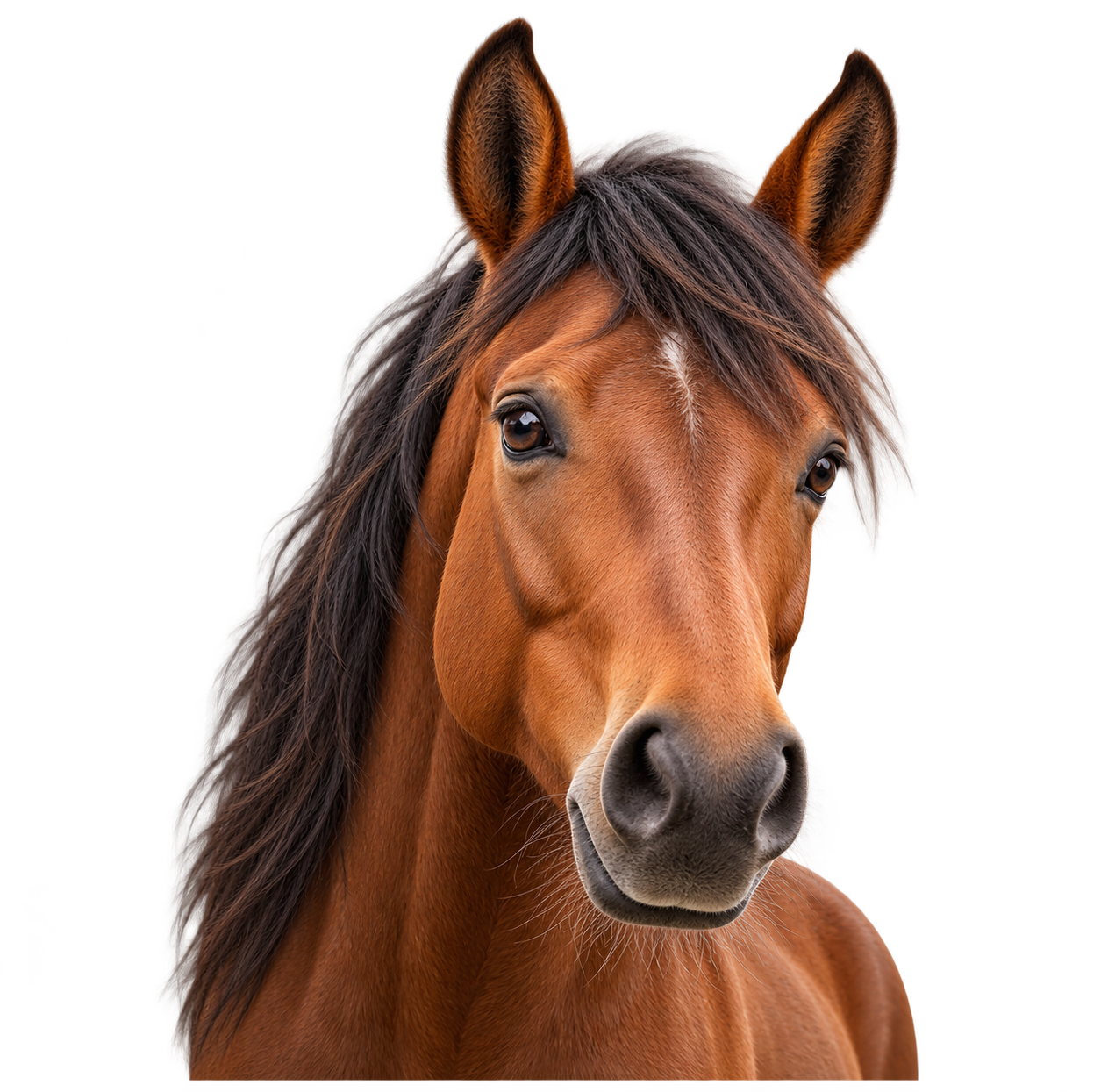
Choke in Horses: Stop Feeding, Call the Vet and Plan Recovery
Reviewed by medical articles. Educational information, not an individual diagnosis or prescription.
Choke in Horses: Stop Feeding, Call the Vet and Plan Recovery
**Animal:** Horse
**Topic:** Esophageal emergency
**Researched:** 28 October 2026
**Editorial status:** Researched draft; veterinary review pending.
**Suggested URL:** /horse/horse-choke
**Meta description:** Recognise possible esophageal obstruction in a horse, avoid dangerous home flushing and obtain a specific feeding and monitoring plan after treatment.
In horses, “choke” usually means blockage of the esophagus, the tube that carries food to the stomach. It differs from a human airway obstruction, but it is still an equine emergency. Food or fluid coming from the nostrils, excessive saliva, coughing and distress can be warning signs. Call the veterinarian promptly. [1]
Do not try to wash the blockage down with water or force a remedy into the mouth. The immediate priority is professional assessment and prevention of further material entering the airway.
What to do while arranging help
Remove access to food and water and do not give oral medicines while choke is suspected. Keep the horse calm and follow the veterinarian's instructions for handling and location. A garden hose in the mouth is dangerous and is specifically discouraged by equine veterinary guidance. [1]
Tell the practice what the horse was eating, when signs began and whether it is coughing or has feed at the nostrils. Mention previous episodes, dental problems and any attempted treatment. Ask whether emergency attendance or referral is needed.
Do not leave the horse with access to a hay net because it still seems interested in eating. A horse may continue trying to swallow despite the obstruction.
Avoid repeated home experiments
Do not syringe oil, water, feed slurry or another substance into the mouth. Do not insert a tube or try to break up a suspected blockage by pressing on the neck. These are not safe owner substitutes for veterinary treatment.
Prepare safe access for the clinician, remove unnecessary bystanders and have the medical record ready. If the horse becomes more distressed or breathing appears difficult, update the veterinarian immediately. Do not delay the call while searching for a video that resembles the episode.
Why assessment is needed even if signs ease
Food and fluid can enter the airway during choke, and complications may include aspiration pneumonia or injury to the esophagus. Prolonged obstruction increases concern. Apparent relief does not establish that there are no complications or underlying problems. [2]
If the horse seems to improve before the veterinarian arrives, contact the team for instructions rather than cancelling the visit and immediately returning feed. Describe what changed and whether discharge or coughing continues.
The professional may examine the horse and use appropriate procedures to resolve or investigate the obstruction. Some cases require further imaging, endoscopy or referral. The approach depends on the material, duration and clinical findings. [2]
Ask what contributed to the episode
Rapid feed consumption, inadequate chewing, dental disease and certain feed preparations can be relevant. Anatomical problems may also predispose an individual horse. [1]
Bring the feed label and describe its preparation exactly. State whether soaked products were actually soaked and whether the horse was competing with another animal. Avoid blaming one ingredient without reviewing the whole episode.
Ask whether a dental examination or investigation of recurrent obstruction is needed. If there has been more than one episode, keep the previous treatment reports together so that each event is not treated as an isolated story.
Feeding must restart under instructions
After resolution, the veterinarian should specify when food and water can return, which feed form is suitable and how to progress. Soaked or softened feed may be recommended, but the recipe and schedule should fit the particular case and product. [2]
Do not assume that the horse can safely resume its previous meal because it is hungry. Request written instructions that a yard manager or alternate caregiver can follow. Clarify the amount per meal, preparation method and what to do if coughing or nasal feed reappears.
If the plan names a complete feed, check whether it replaces forage or serves another role. Do not improvise a diet from a product that happens to soften in water. Feeding needs to remain nutritionally adequate as well as physically suitable.
Watch recovery closely
Ask which signs suggest respiratory complications or recurrent obstruction and how soon to call. Record appetite, coughing, nasal discharge, activity and any observations the veterinarian requests. Follow medicine instructions and report problems administering them.
Do not add unprescribed antibiotics or pain medicines. If temperature monitoring is included in the plan, ask the team to demonstrate safe technique and explain which readings matter for this horse. Keep measurements with times rather than relying on a single unlabelled number.
Prevent recurrence with a practical yard plan
Review feeding speed, competition, dental care, feed storage and preparation with the veterinary team. If a product requires soaking, create a labelled preparation routine that remains reliable when staff change. Check that the required water and preparation time are available before that product is chosen.
Keep a brief feeding instruction sheet at the stable. Include the horse's identity and the reason for restrictions so that a well-meaning visitor does not offer an unsuitable treat.
**Should I give water to clear it?** No. Remove access and obtain immediate veterinary advice.
**Can choke happen with hay?** Yes. It is not limited to one concentrate or treat. [2]
**Is it finished when the nostril discharge stops?** Not necessarily. Follow the veterinarian's assessment and recovery instructions.
**Can I ride the next day?** Ask for individual clearance based on the episode, treatment and any complications.
Sources
[1] [AAEP: Understanding Choke in Horses](https://aaep.org/post/understanding-choke-in-horses/)
[2] [Merck Veterinary Manual: Disorders of the Esophagus in Horses](https://www.merckvetmanual.com/horse-owners/digestive-disorders-of-horses/disorders-of-the-esophagus-in-horses)