
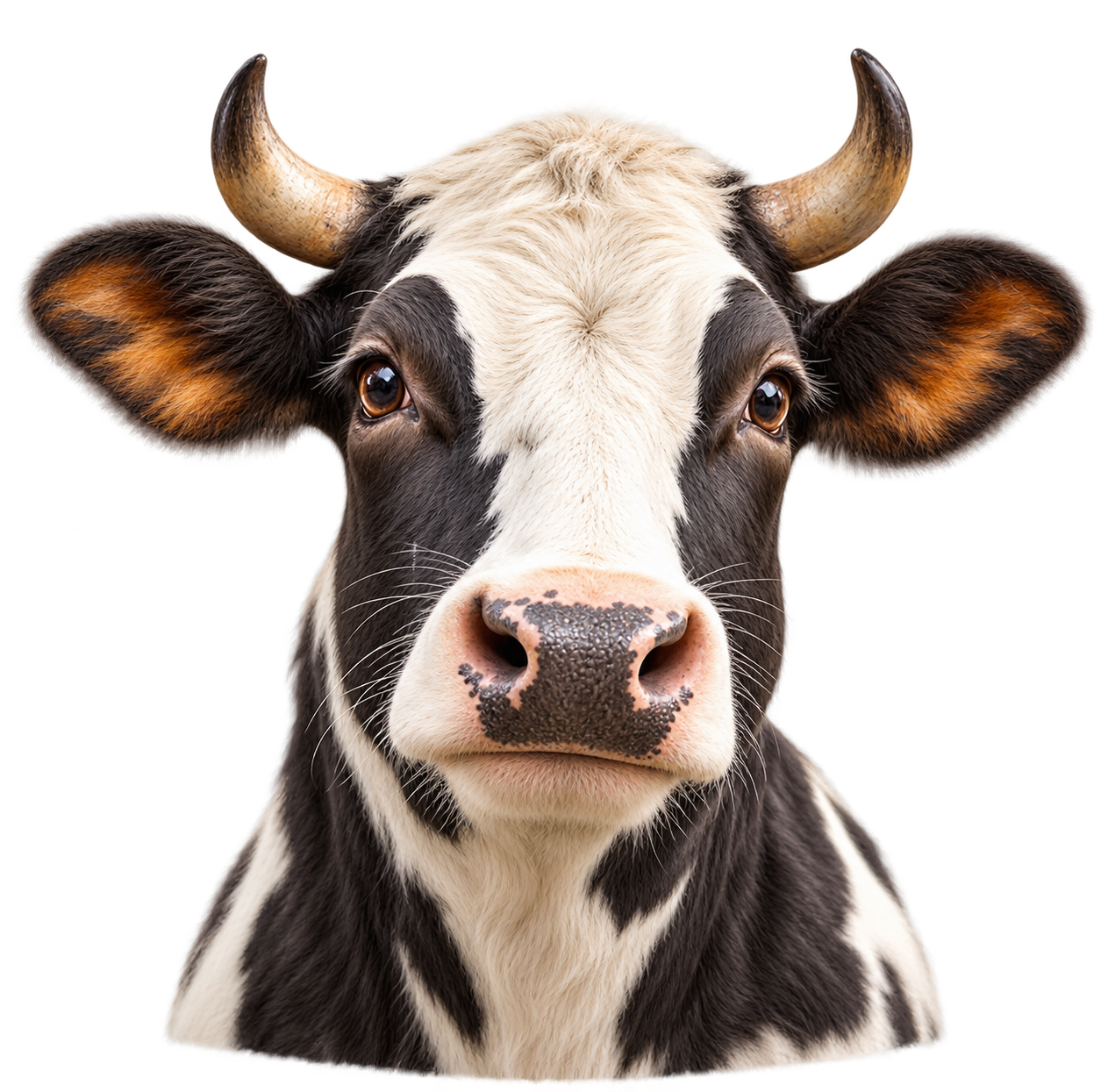
Mastitis in Dairy Cows: Udder Changes, Milk Safety and Daily Care
Reviewed by medical articles. Educational information, not an individual diagnosis or prescription.
Mastitis in Dairy Cows: Udder Changes, Milk Safety and Daily Care
**Animal:** Cow
**Topic:** Udder health
**Researched:** 28 October 2026
**Editorial status:** Researched draft; veterinary review pending.
**Suggested URL:** /cattle/mastitis-udder-care
**Meta description:** Learn how to report possible mastitis, understand clinical and subclinical disease, and organise veterinary treatment records and milk-handling precautions.
Mastitis is inflammation of the mammary gland and is an important concern for animal comfort, milk quality and dairy management. Visible changes may include abnormal milk or an affected udder, but some infections have no obvious outward signs. A cow can also become seriously unwell. Good care starts with observation, prompt veterinary advice and a consistent herd plan. [1, 2]
This guide does not recommend a universal injection or intramammary product. Treatment depends on the animal, severity, history and diagnostic information. Milk and meat restrictions also matter and must be recorded correctly.
Clinical and subclinical mastitis
Clinical mastitis can produce visible changes such as clots or discolouration in milk, or heat and swelling of the udder. Subclinical mastitis lacks obvious clinical signs and requires monitoring or testing to detect. Normal-looking milk alone cannot establish that an udder is healthy. [2]
Ask the herd veterinarian which observations and monitoring methods fit the farm. Individual-animal records and herd-level trends answer different questions. Do not use a bulk-tank result as a diagnosis for a particular quarter or cow without appropriate assessment.
Make sure the animal and affected quarter are identified accurately. A clear identification system prevents a sample, treatment or milk-discard instruction from being attached to the wrong cow. If a written record is uncertain, resolve that uncertainty before the next treatment.
When the cow needs urgent attention
Contact the veterinarian urgently if an affected cow is markedly depressed, weak, not eating, unable to stand or otherwise systemically ill. Severe mastitis may require rapid supportive treatment in addition to decisions about antimicrobials. Do not wait for a routine milk-quality review when the animal is clearly unwell. [1]
Tell the clinician about both the udder changes and the cow's overall condition. A description limited to “milk has flakes” may omit the more urgent problem. Include recent calving, previous episodes, appetite and any treatment already administered.
Avoid unsafe handling. A painful large animal can injure people, and a down cow needs professional guidance about assessment and movement. Do not drag an animal as an improvised way to bring it closer to the milking area. [3]
Diagnosis and sampling
The veterinarian may recommend examination, milk sampling or other testing. Culture can help guide decisions in appropriate cases. Not every episode has the same organism or benefits from the same treatment, and the severity of illness influences what must happen immediately. [1]
If a sample is requested, follow the clinic's collection and labelling method. Record cow identification, quarter, time and whether treatment has already started. Do not assume a casually collected container of mixed milk can answer the same question as a correctly collected quarter sample.
Ask how the results will affect the plan and who will communicate them. A sample is only useful operationally if someone receives the result and follows the veterinarian's instructions. Put the follow-up responsibility in the record rather than relying on a verbal understanding.
Treatment decisions belong to the herd veterinarian
A farm protocol should distinguish severity and include reassessment instructions. Avoid treating every abnormal milk observation with a leftover product or switching medicines because a neighbour recommends one. The pathogen, clinical picture, previous history and local product rules can all matter. [1]
Keep the exact product and administration schedule in writing. Ask what to do if a dose is missed or if the animal becomes worse. Do not extend, shorten or change a course independently. If staff cannot administer the plan safely, tell the vet so it can be adjusted.
Treatment records should identify the animal, quarter where relevant, product, dose, route, dates, person responsible and milk/meat restrictions. The person receiving milk and the person giving treatment must be working from the same current instructions.
What should a cow with mastitis eat?
There is no special household food that cures mastitis. Feeding should support the individual cow and the wider herd ration, with attention to appetite and water access. Ask the veterinarian and nutrition adviser whether illness, stage of lactation or another condition requires an adjustment.
Do not abruptly increase concentrate, add several mineral products or force a mixture into a cow that is not swallowing normally. Reduced intake should be reported as part of the illness rather than treated as a reason to improvise feeding.
Provide the team with the actual ration and recent changes. For a dry cow or an animal near calving, the nutritional context differs from that of a cow in active production. Penn State emphasises an appropriate dry-period nutrition programme alongside housing and hygiene measures. [4]
Record the ration offered and whether the animal is eating it. If the farm feeds as a group, explain how individual intake is being assessed. “Feed was available” and “this cow consumed its planned intake” are not the same observation.
Clean housing and consistent milking practices
Clean, dry bedding and attention to the milking routine help reduce exposure and support udder-health management. Dry cows and the period around calving need attention too. The specific prevention plan should reflect the herd's risks rather than copy isolated instructions from another farm. [4]
Ask the vet or trained milking adviser to review the actual sequence used by staff, including preparation, equipment and handling of affected animals. A written procedure that no one follows is less useful than a realistic process with clear responsibility.
Use suitable products as directed. Do not mix cleaning agents or choose a stronger concentration without advice. Keep supplies organised so that clean materials cannot be confused with used ones during a busy milking period.
Milk safety and withdrawal instructions
Follow professional and local food-safety instructions for abnormal milk and treated animals. Milk that looks normal is not proof that all treatment restrictions have ended. Withdrawal requirements depend on the product, use and jurisdiction, and may require specific veterinary direction.
Separate identification, treatment and release back to the milk supply into clear steps. One person should be responsible for checking the documented restriction before release. Do not rely on memory or on the assumption that the last dose was given yesterday.
If an error occurs, such as uncertain animal identification or accidental mixing, report it promptly to the responsible veterinarian and milk-handling team. Concealing uncertainty can create a larger animal-health and food-safety problem.
A practical case record
| Field | Information to keep |
|---|---|
| Animal and quarter | Unambiguous identification |
| First signs | Milk, udder and whole-animal observations |
| Sampling | Collection time and treatment status |
| Veterinary plan | Treatments, monitoring and follow-up |
| Milk/meat restrictions | Written instructions and release check |
| Outcome | Response, recurrence and further advice |
Use the same format for recurrent cases. A later review can then distinguish a new event from a continuing problem and assess whether the farm process needs to change.
Prevention review after recovery
Look for patterns with the veterinarian: particular groups, stages of lactation, environmental conditions or milking routines. Avoid blaming one worker before the evidence is reviewed. Improvement may require changes across housing, handling and monitoring rather than another product.
Ask who will check that agreed changes were made and when results will be reviewed. Prevention is an ongoing programme, not a one-time deep clean. Maintain records even when no obvious clinical cases are being seen.
Frequently asked questions
**Can mastitis occur without visible milk changes?** Yes. Subclinical disease requires suitable monitoring or testing. [2]
**Should every case get the same antibiotic?** No. Veterinary assessment and the herd protocol guide treatment. [1]
**Does better food replace treatment?** No. Nutrition supports care but does not identify the organism or replace necessary treatment.
**Can milk be sold as soon as it looks normal?** Appearance alone does not remove treatment or food-safety restrictions. Follow the documented instructions.
Sources
1. Merck Veterinary Manual, [Mastitis in Cattle](https://www.merckvetmanual.com/reproductive-system/mastitis-in-large-animals/mastitis-in-cattle).
2. Penn State Extension, [Winning the Battle of Subclinical Mastitis Detection](https://extension.psu.edu/winning-the-battle-of-subclinical-mastitis-detection).
3. Penn State Extension, [Proper Care for Non-ambulatory Dairy Animals](https://extension.psu.edu/proper-care-for-non-ambulatory-dairy-animals).
4. Penn State Extension, [Preventing Dry Cow Mastitis](https://extension.psu.edu/preventing-dry-cow-mastitis).
**Smoki editorial note:** Recordkeeping and staff-handover suggestions are original organisational aids. Veterinary review and a locally appropriate food-animal protocol are required before adopting clinical recommendations.